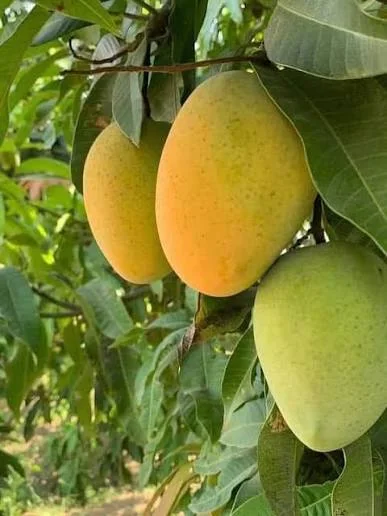

Egyptian mango season is not one fixed date. It is a sequence of regional harvests, varieties and maturity windows. Egypt’s official export catalogue describes a broad commercial window from mid-June to the end of October, while actual readiness changes with weather, orchard location and the buyer’s specification. The useful question is therefore not only “Is mango available?” but “Which variety, maturity, size and packing line can meet my arrival date?”
Practical Egyptian mango export calendar
| Planning window | Typical buyer task | Commercial note |
|---|---|---|
| May–early June | Approve specifications, cartons and labels | Pre-season planning; do not treat indicative dates as a loading guarantee. |
| Mid-June–July | Confirm early lots and weekly availability | Some early varieties and orchards enter the market. |
| August–September | Run core programmes and mixed-variety planning | Often the broadest commercial choice, subject to that season’s crop. |
| October | Confirm late varieties and remaining packable volume | Late-season supply needs tighter lot-by-lot inspection. |
This calendar is a procurement framework, not a harvest promise. Ask the supplier for the orchard region, expected picking week and packing date for the exact lot. Build a buffer for inspection, pre-cooling, documentation and vessel or flight schedules.
Varieties buyers commonly discuss
Egyptian commercial catalogues and agricultural references identify numerous cultivars. Buyers often encounter names such as Sukkari, Zebdia, Keitt, Kent, Naomi, Tommy Atkins, Ewais and local selections. Name alone is not a complete quality specification. The same named variety can differ by orchard, maturity, size, handling and season.
- Sukkari: valued in many regional markets for a sweet eating profile; agree firmness and maturity before shipment.
- Zebdia: often discussed for fresh use and processing, depending on the lot and destination.
- Keitt and Kent: internationally recognised names that can support familiar retail positioning.
- Naomi and Tommy Atkins: may be considered where appearance, firmness and transport performance are priorities.
- Ewais and other local varieties: can offer distinctive flavour, but require clear buyer education and sample approval.
Write the specification before asking for a price
A comparable quotation should state variety, size or count, acceptable weight tolerance, maturity or firmness range, external-defect limits, residue requirements, carton format, net weight, pallet pattern, label language, destination and Incoterm. For a fresh product, also define temperature management and the permitted time between harvest and packing. “Export quality” without measurable tolerances is not a specification.
Match maturity to the route
A mango that is attractive for a short regional route may be too advanced for a longer sea journey. Conversely, fruit harvested too early can reach the customer with weak eating quality. Ask for a pre-shipment lot report showing representative cut tests, firmness or agreed maturity indicators, count distribution, defects and packing temperature. Your importer should approve the arrival target, not merely the departure appearance.
Documents and destination rules
Fresh mango shipments can require Egyptian plant-quarantine inspection and a phytosanitary certificate, while the destination may impose an import permit, pest measures, residue limits, traceability, packaging or labelling rules. Confirm the HS code and the importing authority’s requirements before printing cartons or booking freight. See our country export guides for route-planning questions.
Buyer’s pre-season checklist
- Choose the target arrival week and selling channel.
- Define the acceptable varieties and eating profile.
- Approve size, carton, label and pallet requirements.
- Confirm destination phytosanitary and food-safety conditions.
- Request samples or current-season reference lots.
- Agree inspection evidence and rejection tolerances.
- Confirm the cold-chain plan and logistics buffer.
Availability and quality vary by season. Confirm every commercial programme against current orchard and packing-house information before committing to your customers.